
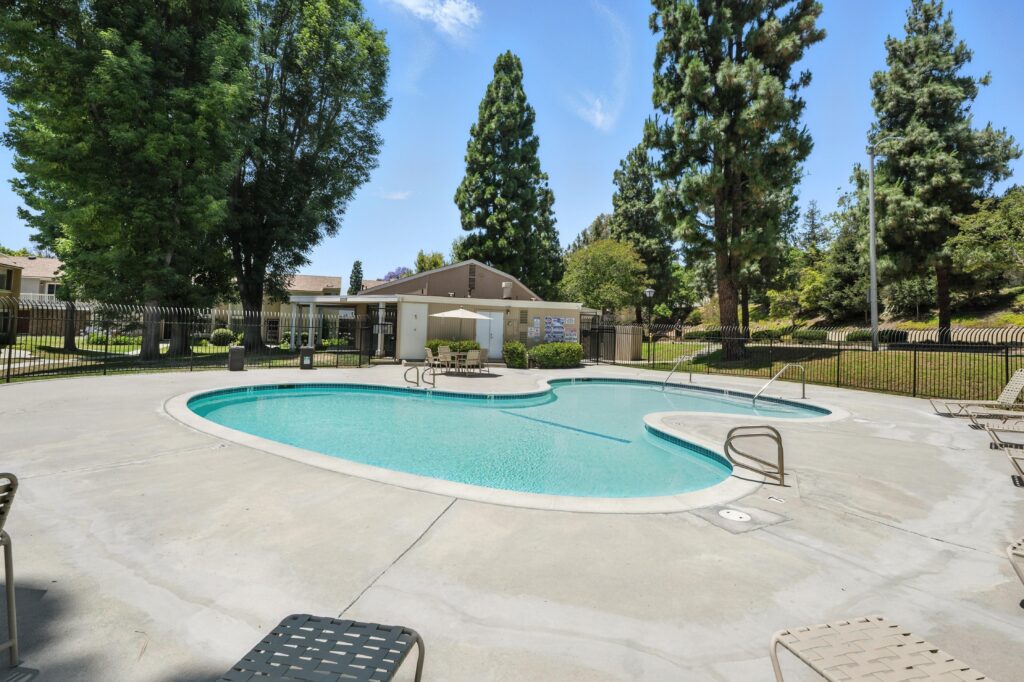
If your pool is showing its age — rough or discolored plaster, an aging pump and filter, cracked coping, or a design that no longer fits how your family actually uses the backyard — a renovation can extend its life and bring it up to date without a full rebuild. The tricky part is figuring out what your pool actually needs versus what would just be nice to have, before you start collecting estimates.
This guide walks through how to define the scope, what’s typically involved in a Virginia Beach pool renovation, and what to expect on cost, permits, and timeline.
Request a renovation consultation with STC Pools & Patios if you’d rather start with a conversation about your specific pool.
Signs Your Pool Is Due for a Renovation
A few common signals it’s time to look at renovation rather than routine maintenance:
- Rough, pitted, stained, or cracking plaster
- Equipment that’s noisy, inefficient, or frequently needs repair
- Persistent leaks or a water level that keeps dropping
- Coping, tile, or decking that’s cracked, lifted, or visibly worn
- A pool design that no longer matches how you use the space — for example, wanting a sun shelf, a spa, or better lighting
Walk the pool area and write down what you observe, separate from any assumptions about the cause. “The plaster feels rough in the shallow end” is useful information for a contractor; “the whole pool needs replacing” is a conclusion that may or may not hold up once someone actually inspects it.
Renovation vs. Resurfacing: They’re Not the Same Project
“Renovation” gets used loosely, so it’s worth being specific. A finish update — replastering the pool’s interior surface — is a narrower project than a full renovation, which can also touch equipment, tile, coping, lighting, and features.
If the interior finish is your main concern, STC’s plaster remodeling service is the place to start. If you’re also looking at equipment upgrades, added features, or a broader refresh, that’s the scope covered by STC’s pool renovation services. Ask your contractor to walk through which category your project actually falls into before you start comparing finishes or features — it changes both the estimate and the timeline.
What’s Typically Included in a Virginia Beach Pool Renovation
A well-scoped renovation proposal should separate the work into clear categories:
- Required work — what the pool needs based on an actual inspection (structural repairs, equipment replacement, resurfacing)
- Requested upgrades — features or finishes you specifically want (a sun shelf, new tile, upgraded lighting, a spa or pool upgrade)
- Open items — anything that needs further assessment before a firm price can be set, such as conditions discovered once the pool is drained
Ask your contractor to document which category each line item falls into. It’s the easiest way to avoid a mid-project surprise about what was or wasn’t included in the original number.
Permits and Inspections for Renovation Work
Not every renovation requires a new permit, but work that affects the pool’s safety barrier, electrical systems, or structure often does. If your renovation touches the fence, gate, or wall around the pool, review Virginia Beach’s pool barrier and fence permit requirements and ask your contractor directly whether permitting is included in their scope. If your renovation involves drain covers or suction outlets, the CPSC’s pool safety guidance is a useful reference for the safety standards those components need to meet.
What Affects Renovation Cost and Timeline
Renovation cost depends heavily on scope. A plaster-only refresh is a much smaller project than a full renovation that also touches equipment, tile, coping, and decking — replacing an aging pump and filter, or adding new tile and lighting, adds materials and labor beyond the resurfacing work itself. What’s underneath the surface matters too: conditions discovered only after the pool is drained — like a hidden crack or aging plumbing — are one of the most common reasons an estimate changes mid-project, which is exactly why a written proposal should separate required work from optional upgrades (see the categories above).
Timeline follows the same logic as cost. A plaster-only refresh is generally the fastest renovation project to complete; adding equipment replacement, new tile, or any structural work extends the timeline. Most homeowners plan renovation work for the off-season specifically to avoid losing swim time, so it’s worth asking about scheduling early. STC’s financing options are available if spreading renovation costs over time makes the project easier to plan around.
Choosing a Renovation Contractor
The same standards that apply to new pool construction apply here: verify the contractor is licensed and insured, ask for examples of renovation work similar in scope to yours (not just new-build photos), and get a written proposal that separates required work from optional upgrades. Ask specifically how they handle unexpected conditions found once the pool is drained — that’s the single most common source of renovation cost surprises. Browse STC’s project gallery for examples of completed work in the Hampton Roads area.
Frequently Asked Questions
How do I know if I need a full renovation or just resurfacing?
Resurfacing addresses the pool’s interior finish; renovation can also include equipment, tile, decking, and added features. An inspection is the only reliable way to know which one your pool actually needs — see the difference between plaster remodeling and full pool renovation services.
How much does a pool renovation cost in Virginia Beach?
Cost depends on scope — a plaster-only refresh costs meaningfully less than a full renovation involving equipment, tile, and decking. Because costs vary by pool age, size, and condition, the most reliable way to get an accurate number is a written, itemized proposal based on an on-site inspection of your specific pool.
How long does a pool renovation take?
Timeline depends on scope in the same way cost does — a plaster-only refresh is typically the fastest option, while renovations involving equipment or structural work take longer. Many homeowners schedule renovation work for the off-season to avoid losing swim time; ask about scheduling when you request a consultation.
Do I need a permit to renovate my pool?
It depends on the scope. Work affecting the pool’s safety barrier, electrical, or structure often requires permits — see Virginia Beach’s permit requirements and confirm directly with your contractor what’s included in their scope.
Can I finance a pool renovation?
Yes — see STC’s financing options for qualifying details.
Ready to talk through your renovation? Request a consultation with STC Pools & Patios and share your pool’s condition, your goals, and your preferred timing.


