
Pool Renovations

Benefits


Gallery
Posted on Google
 Sandy Treon
Trustindex verifies that the original source of the review is Google.
They have completed several jobs for us over the yrs. Each one was perfectly beautiful !Posted on Google Kelli SchlarmannSteve and Andy were exceptional to work with through the construction. They kept us informed through the entire process, even providing daily updates. As first time pool owners, we appreciated the education provided through the construction. Andy continues to assist with maintains request promptly. We absolutely love our new pool and spa. Highly recommend STC Construction!Posted on Google
 eric malonsonSteve and his team did an amazing job on our Quartzite countertops for our new home! Very professional and top notch quality work.Posted on Google
 Carlos PereiraVerry good
Contact
Share a few details about your space, location, and timeline. Our team will follow up to answer questions, suggest options, and guide you toward a project that fits your style and budget.
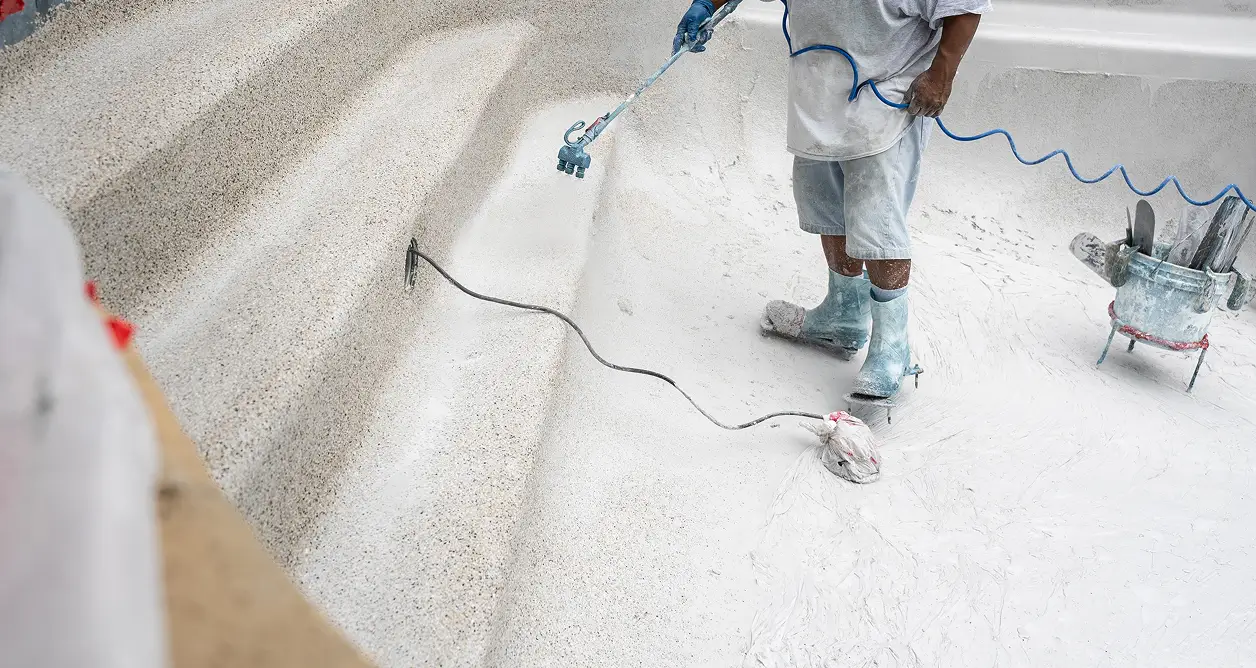
A pool renovation updates an existing pool to improve its appearance, performance, efficiency, or usability without completely rebuilding it. Depending on the pool’s condition, renovations can include resurfacing, replacing equipment, updating finishes, or adding new features. STC describes renovations as a way to modernize an existing pool while extending its useful life.
Signs that your pool may need renovation include worn or damaged surfaces, outdated equipment, declining performance, leaks, inefficient operation, or features that no longer meet your needs. A renovation can address both cosmetic issues and functional problems while improving the pool’s overall usability and efficiency.
There is no fixed renovation schedule because the timing depends on the pool’s construction, surface, equipment, maintenance history, and overall condition. Instead of renovating on a set schedule, homeowners should evaluate the pool when surfaces begin showing significant wear, equipment becomes inefficient, or the pool no longer meets their needs.
For many homeowners, yes. Renovating can extend the life of an existing pool while improving its appearance, performance, usability, and energy efficiency. It can also allow you to modernize an older pool without the cost and disruption of completely rebuilding it.
A renovation can be an opportunity to add features that make the pool more comfortable, attractive, and efficient. Depending on the existing pool and project scope, homeowners may consider upgraded finishes, modern equipment, improved lighting, spas, or other pool and outdoor-living features. STC specifically offers spas and upgrades alongside pool renovation services.
Pool renovation costs depend on the size and condition of the existing pool, the type and extent of surface or finish work, equipment upgrades, repairs, and any new features being added. More extensive renovations generally cost more than cosmetic updates or individual equipment replacements. The best way to determine the cost is through an evaluation of the existing pool and a project-specific design.
Often, renovating an existing pool can be more cost-effective than completely replacing it, particularly when the existing structure is sound and only the finishes, equipment, or features need to be updated. However, the cost comparison depends on the pool’s condition and how extensive the renovation needs to be.
The timeline depends on the scope of the renovation. A project involving only finishes or equipment may take considerably less time than a renovation that includes structural repairs, resurfacing, plumbing, decking, or multiple new features. STC can provide a more accurate timeline after evaluating the existing pool and determining the project scope.
The best time depends on the type of renovation and your desired swimming schedule, but planning during the cooler months can help minimize disruption during peak swimming season. Homeowners should also account for weather conditions and contractor availability when scheduling the work. For larger projects, planning well before the next swimming season is a good way to avoid rushing the renovation.
Permit requirements depend on the work being performed. The City of Virginia Beach identifies in-ground and above-ground pools capable of holding at least 24 inches of water as structures requiring building permits, and in-ground pools are subject to setback/footing and final inspections. Renovation work that changes structural elements, electrical systems, plumbing, decking, or other permitted components may have additional requirements.
Because requirements can vary by project, homeowners should have their pool contractor confirm which permits and inspections apply before work begins.
Yes. Coastal Virginia’s combination of moisture, temperature fluctuations, storms, and seasonal freezing conditions can contribute to wear on pool surfaces and equipment over time. Proper maintenance and timely renovation can help address deterioration before it becomes a larger problem. Winter weather can also pose risks to pool equipment and plumbing if the system is not properly prepared for freezing temperatures.


